Who are professionally active in art, landscape architecture,
architecture, design or related fields.
* Interdisciplinary teams are welcome. There is no limit on team size.
What
One proposal
A work combining installations, structures and/or process-based activities, developed from an ecological perspective in response to the site and the open call theme.
Where
Site area (49,326㎡)
1142-8 Hadan-dong, Saha-gu, Busan
* Applicants must review the site characteristics, detailed site information and zone-specific
restrictions set out in these Guidelines.
Support
KRW 380 million
Support covering all aspects of artwork production, implementation, installation, stays, etc.
Fee
KRW 20 million
Deadline
2026.11.22. 24:00 KST
* Deadline strictly enforced
The site
Eulsukdo, Busan, South Korea
Site map Clicking the dots reveals zone-by-zone descriptions.
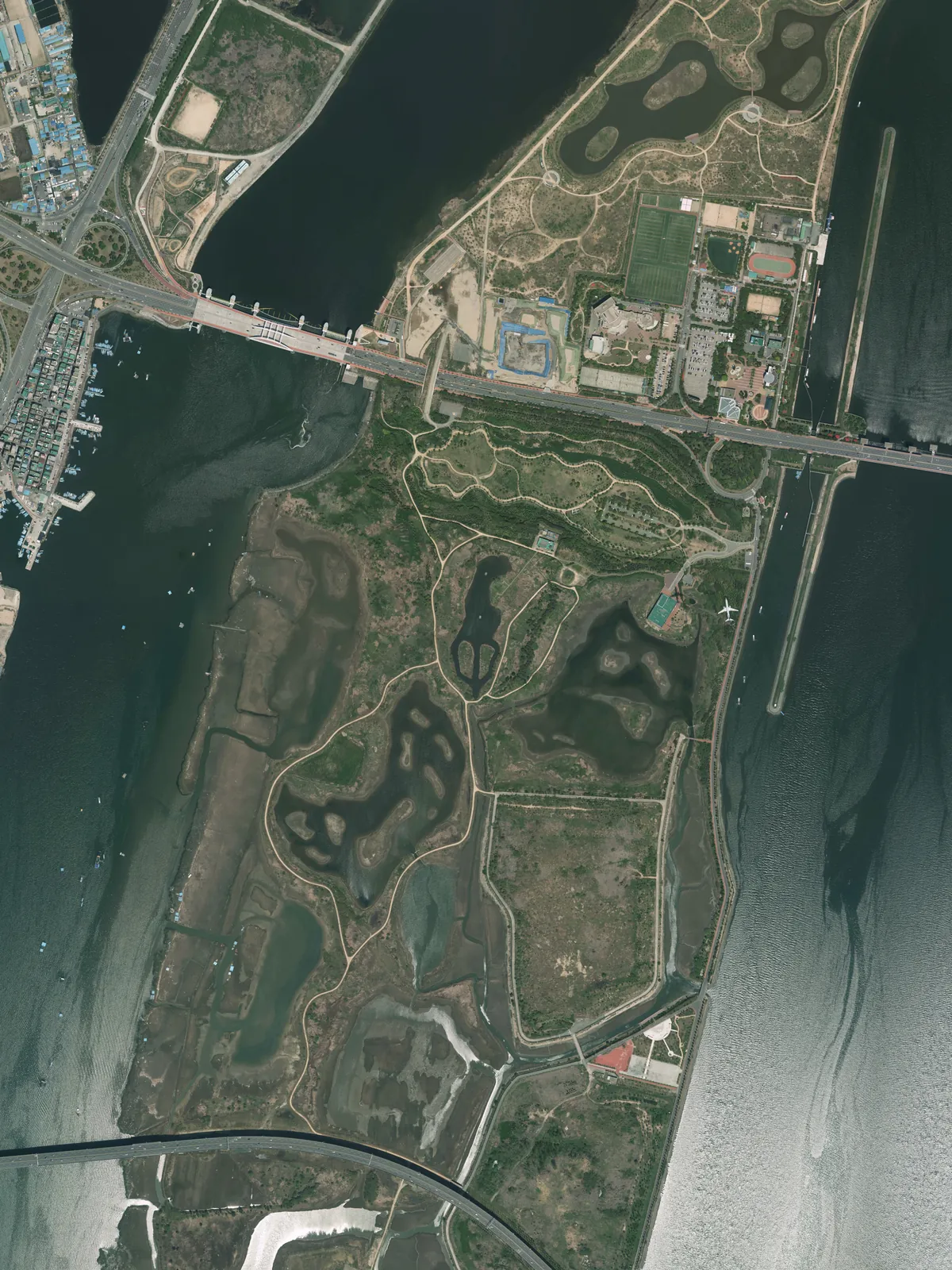
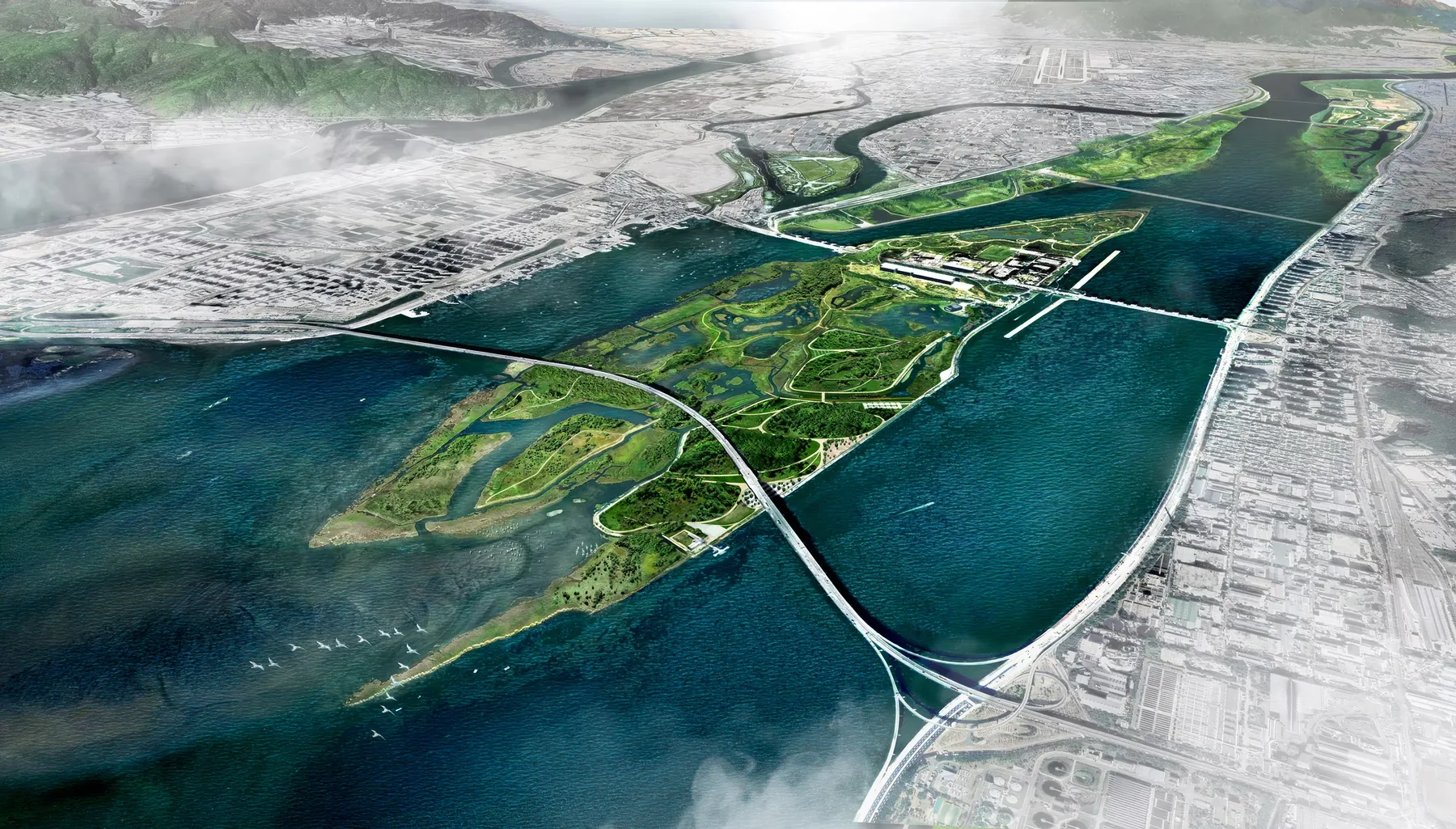
Aerial photographThe Nakdong estuary and Eulsukdo
Address
1142-8 Hadan-dong, Saha-gu, Busan
Area
49,326㎡
Schedule
Time Standard: KST · UTC+9
09.21. — 11.22.
Open call period
Open call details published and enquiries accepted
- First round: Document review (four proposals to be shortlisted)
- Second round: Presentation (One winning proposal selected and reserve proposals ranked)
2026.12
Result Announcement
Results announced on the official website
Open Call Theme
Open Call Theme
01
A Place Where Disappearance and Emergence Intersect
Brackish estuaries, where rivers meet the sea, support diverse forms of life and are among the environments most vulnerable to climate change. Their waterways, landforms, vegetation and living beings are in constant flux, while the landscapes we see today face the possibility of disappearance.
02
Fleeting Time and Deep Time
The theme begins with the contrast between the brevity of human time—which nevertheless leaves profound and lasting marks on the land—and the land’s deep ecological time, which has sustained life from the distant past to the present. “The Earth Endures” expresses a shared hope that the habitats we must protect, and the relationships they sustain, will endure intact for generations to come.
03
Site-Specific Land-Ecological Art
We invite site-specific works of land and ecological art that move beyond anthropocentric perspectives, reconsider human roles and responsibilities through ecological perspectives and timescales, and explore, through the language of art, the planetary interconnections between humans and non-human beings, nature and cities, and past and future.
Submit
eulsukdo.ecoart@gmail.com
Official forms (Templates provided)
Proposal, A4 landscape, around 20 pages (No Templates provided)
Language — Korean or English
Please refer to the Open Call Guidelines for the required content and specifications.
Submit
By email to the Eulsukdo Open Call Secretariat, eulsukdo.ecoart@gmail.com
Inquiries
Monday to Friday, 08:00 – 17:00 KST, excluding public holidays
As the submission deadline falls on Sunday, 22 November, all inquiries must be
sent by email no later than 17:00 KST on Friday, 20 November.
Eulsukdo lies in a brackish estuary where fresh water meets the sea. One of Korea’s major migratory bird habitats, it supports diverse forms of life. Although industrialisation, urban development and the Nakdong River Estuary Barrage significantly altered its environment, wetland and habitat restoration has helped revive its ecological vitality.
Now facing sea-level rise and biodiversity loss, Eulsukdo prompts renewed reflection on coexistence between humans and nature. Building on its ecological and historical context, this project uses art to foster environmental awareness and action, and to establish Eulsukdo as a hub for environmental art.
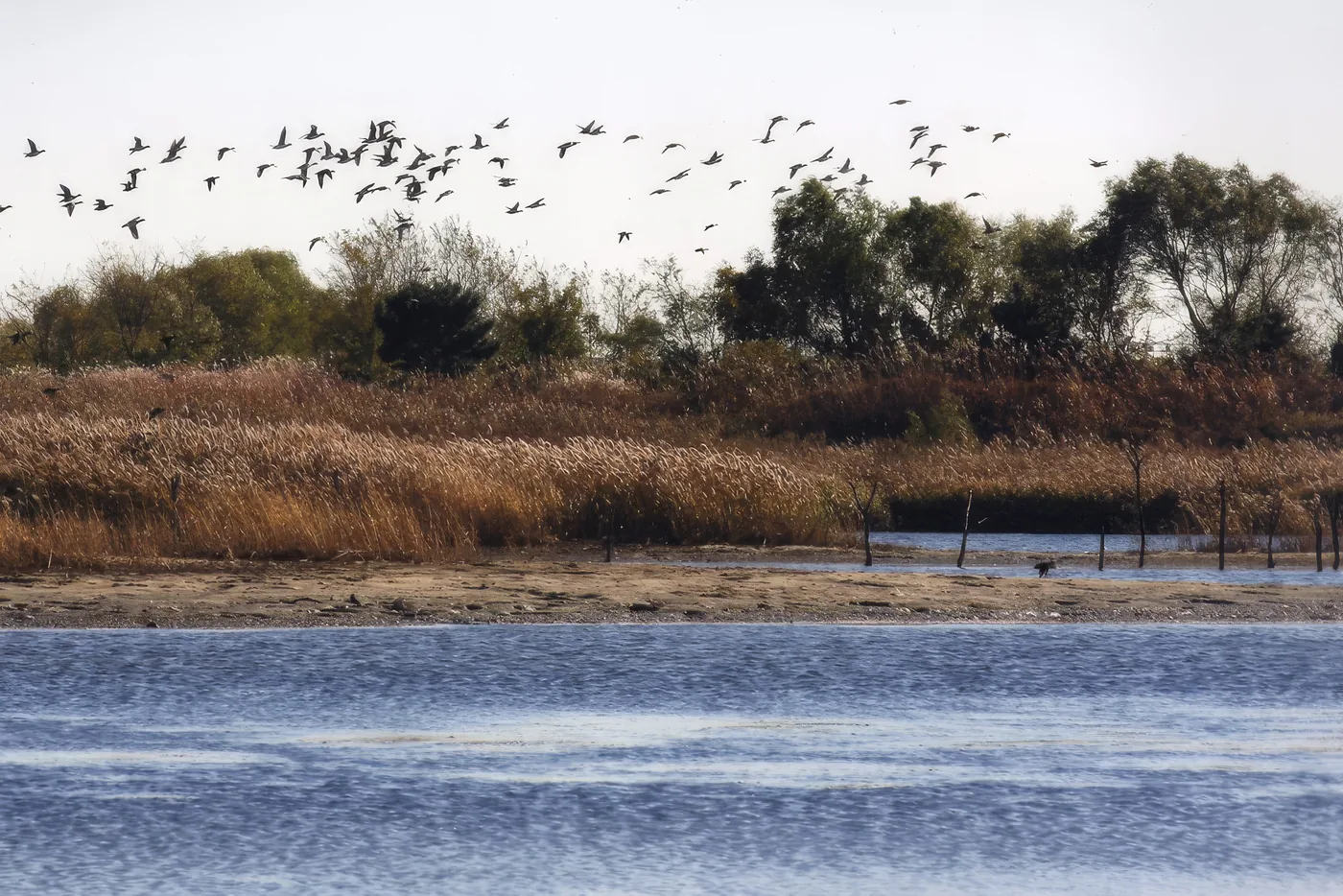
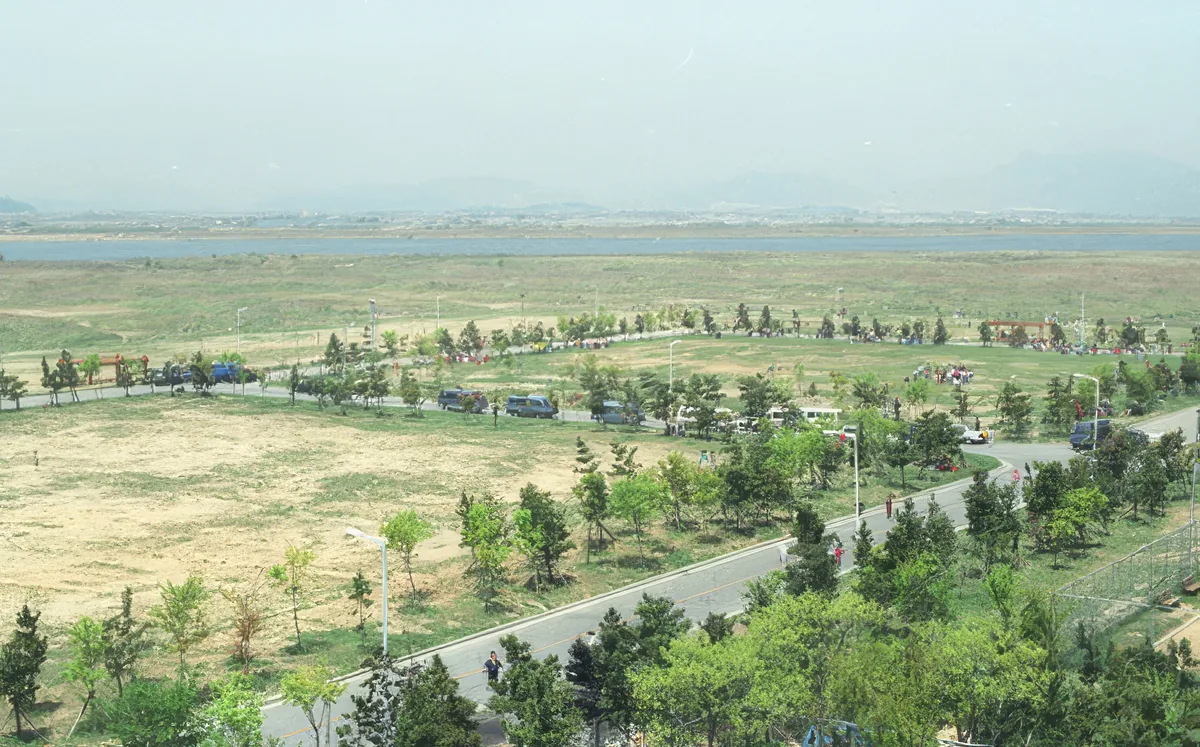
TodayView of Eulsukdo
Aim 01
Reinterpreting Coexistence between Humans and Nature
Moving beyond anthropocentric perspectives, the project considers ecosystems from more-than-human viewpoints and reinterprets the value of coexistence through land and ecological art.
Aim 02
Site-Specific Environmental Art
Reflecting Eulsukdo’s geographical and historical context, the project seeks creative, ecologically responsible works that explore sustainability in an age of climate crisis.
Aim 03
Art that Responds to Nature
Through installation projects that evolve and circulate with nature over time, the project proposes new possibilities for environmental art.
Aim 04
Establishing an Environmental Art Platform
The project strengthens the case for the Nakdong River Estuary’s designation as a National Urban Park and develops Eulsukdo as an international public cultural platform, promoting its ecological identity in Korea and beyond.
Aim 05
Revitalising Culture and Tourism in Western Busan
By creating a distinctive cultural destination that brings together the ecology and art of the Nakdong River Estuary, the project aims to foster local pride and broaden access to cultural experiences.
Eulsukdo
Nakdong estuary · Saha-gu, Busan
1966S
Eulsuldo, An Ecological Haven
Eulsukdo first appeared as an island on a cadastral map in 1916. Recognised for its international importance as a migratory bird habitat, it was designated Natural Monument No. 179 in 1966.
1970s — 1997
Ecological Degradation
From the 1970s onwards, the island’s ecosystem was degraded by the introduction of night-soil treatment, waste disposal and sewage treatment facilities. In particular, large-scale landfilling took place between 1993 and 1997.
1999 — 현재
Restoring the habitat
Eulsukdo was designated a Wetland Protection Area in 1999 and included in the Busan Coastal Special Management Area in 2000. As ecological restoration progressed, parks, visitor trails and cultural facilities were established, including the Nakdong Estuary Eco Center and the Museum of Contemporary Art Busan.
Ongoing
Pursuing Designation as a National Urban Park
Designation of the Nakdong River Estuary as Korea’s first National Urban Park is now being pursued to support its systematic conservation and restoration. Building on sustained efforts by Busan’s civil society since 1999, the National Urban Park system was established in 2016.
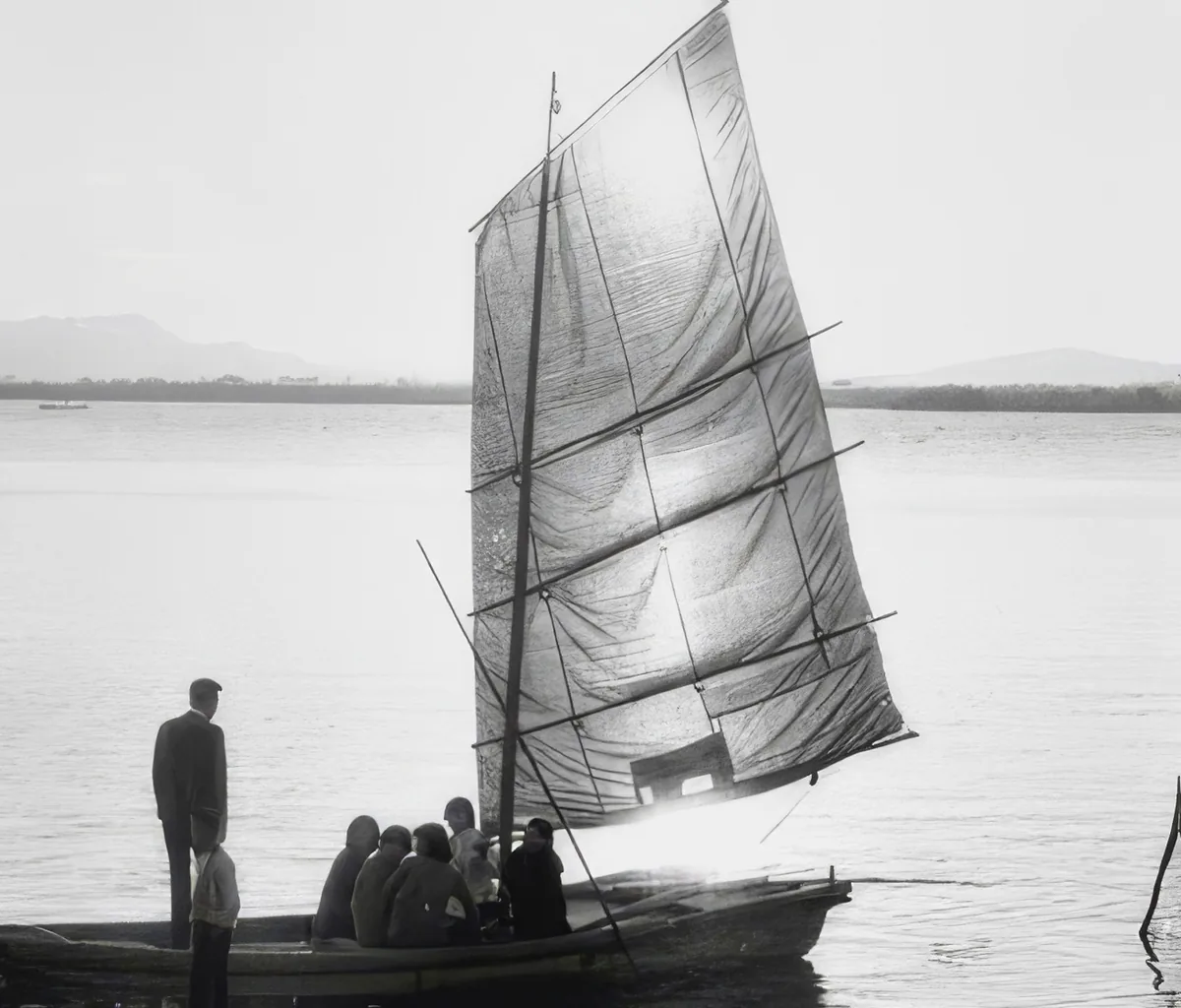
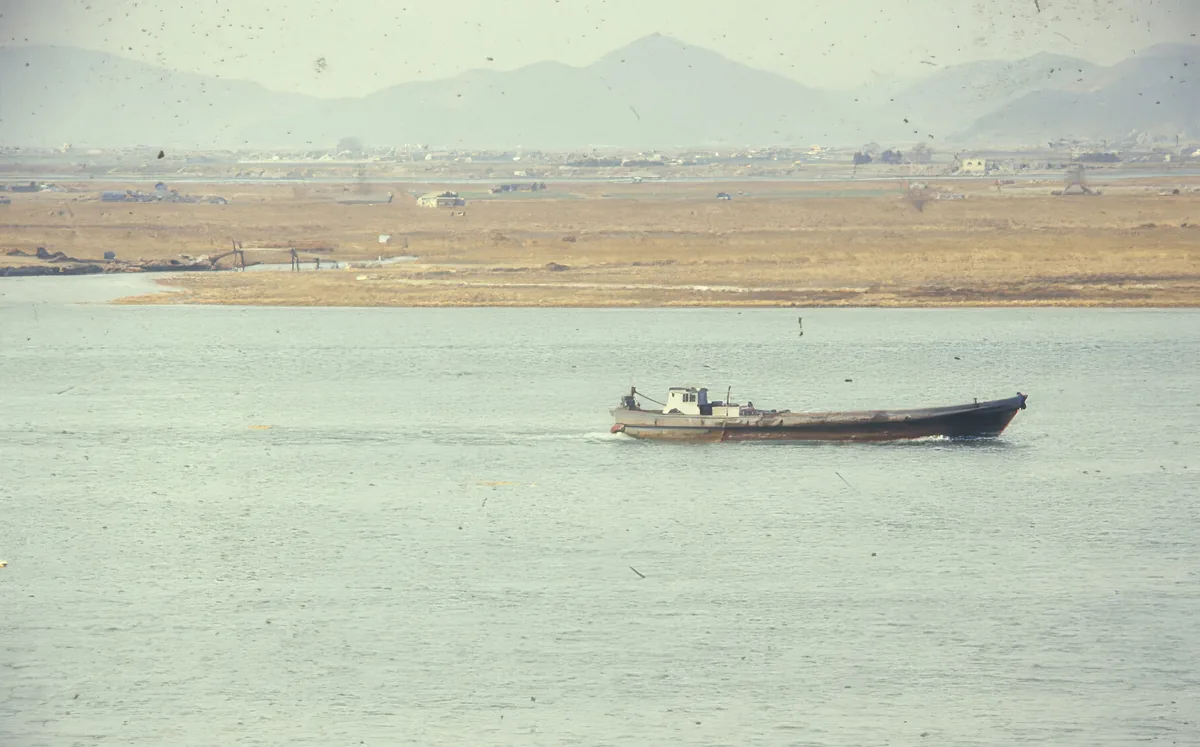
1960Sailing boat on the Nakdong River
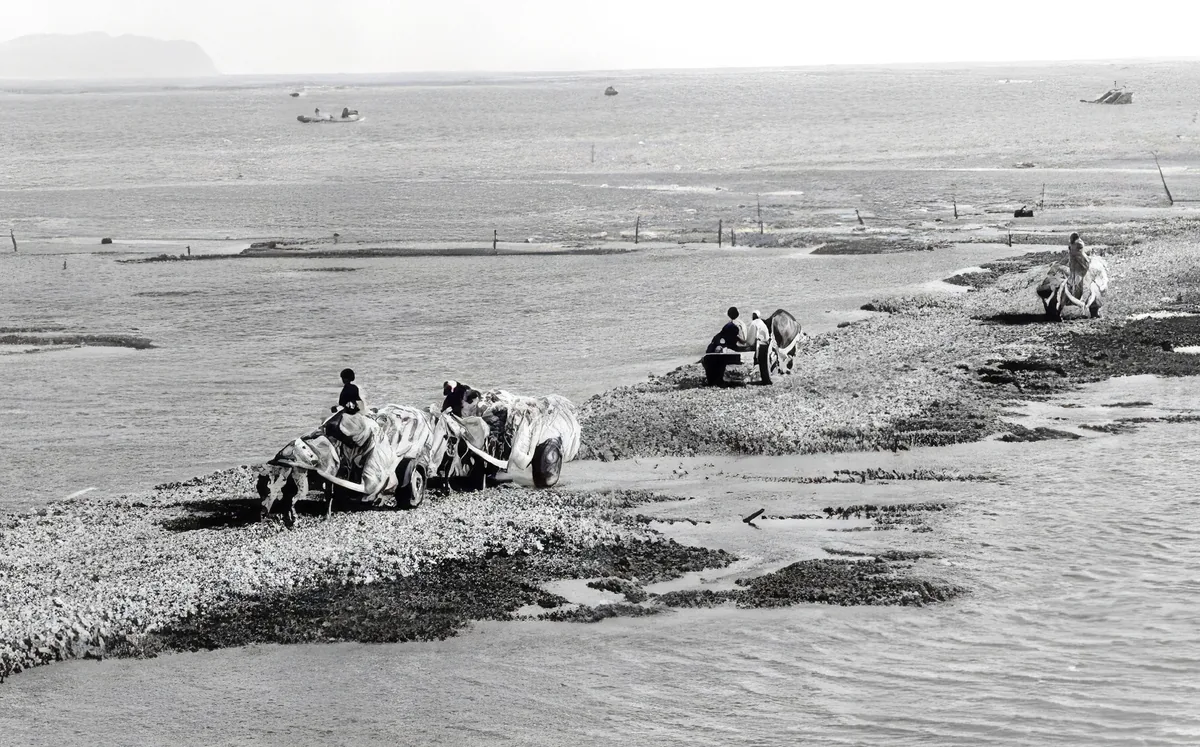
1960Ox cart
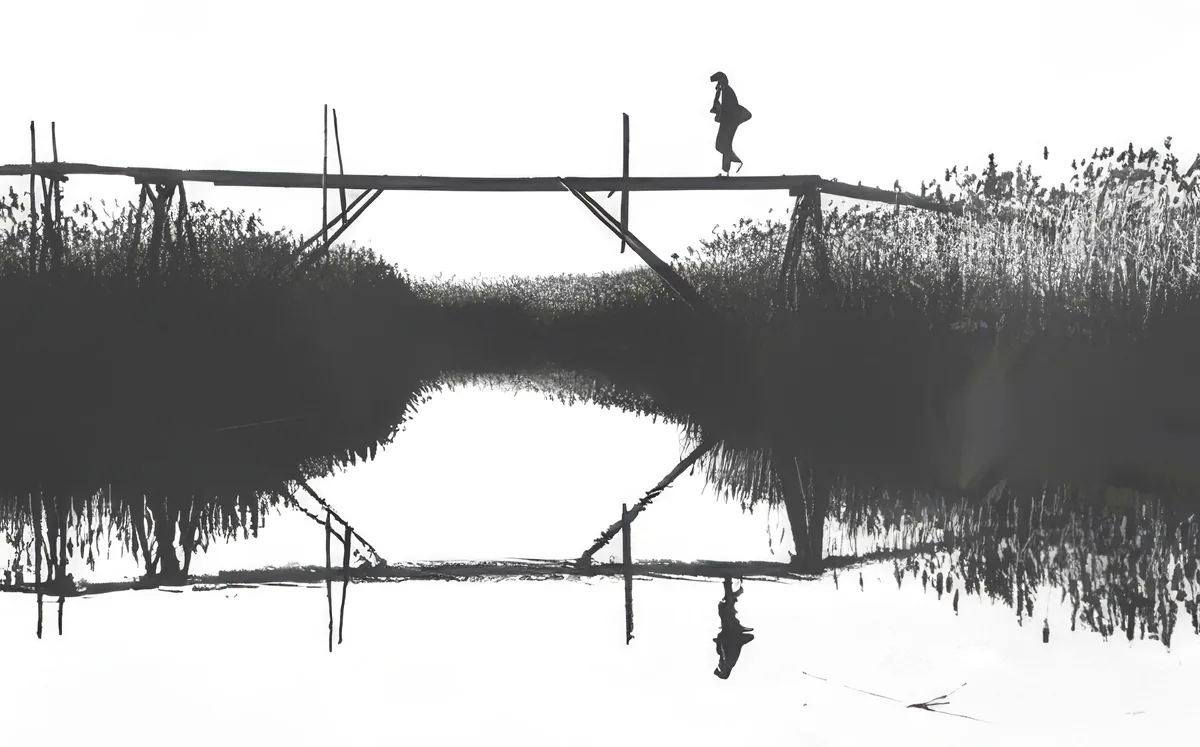
1979The footbridge
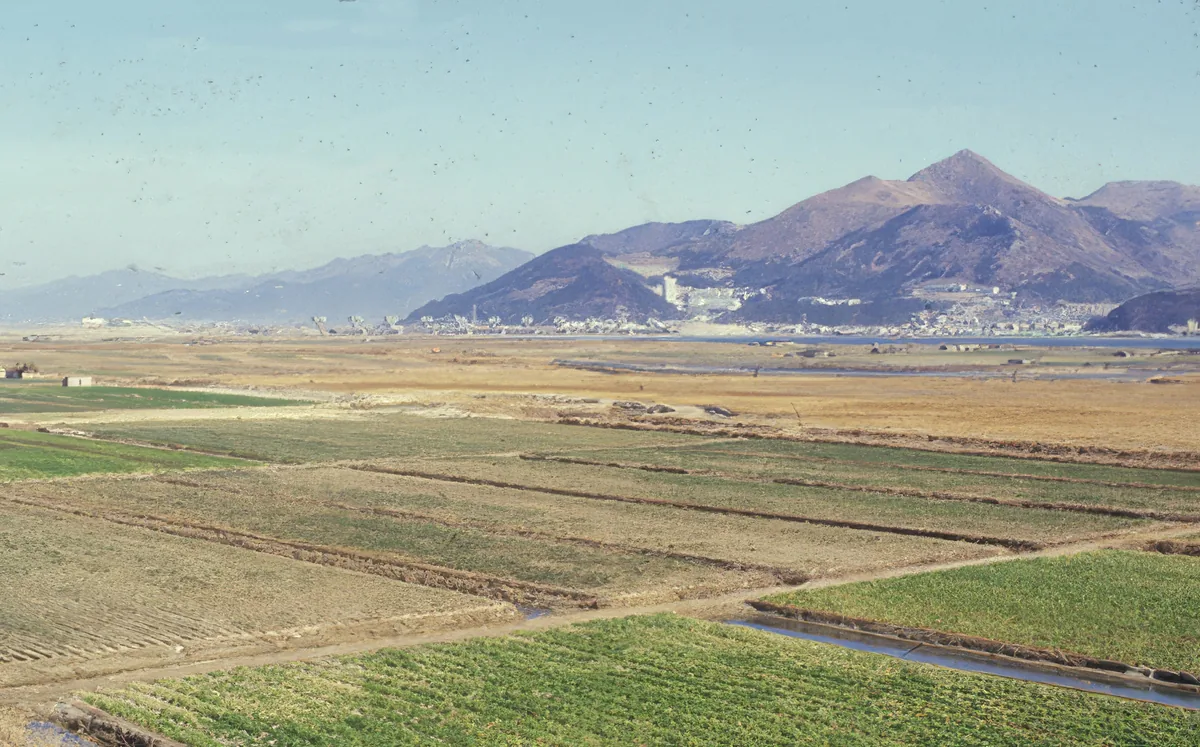
1980sSpring onion fields
1980sNakdong river and Eulsukdo
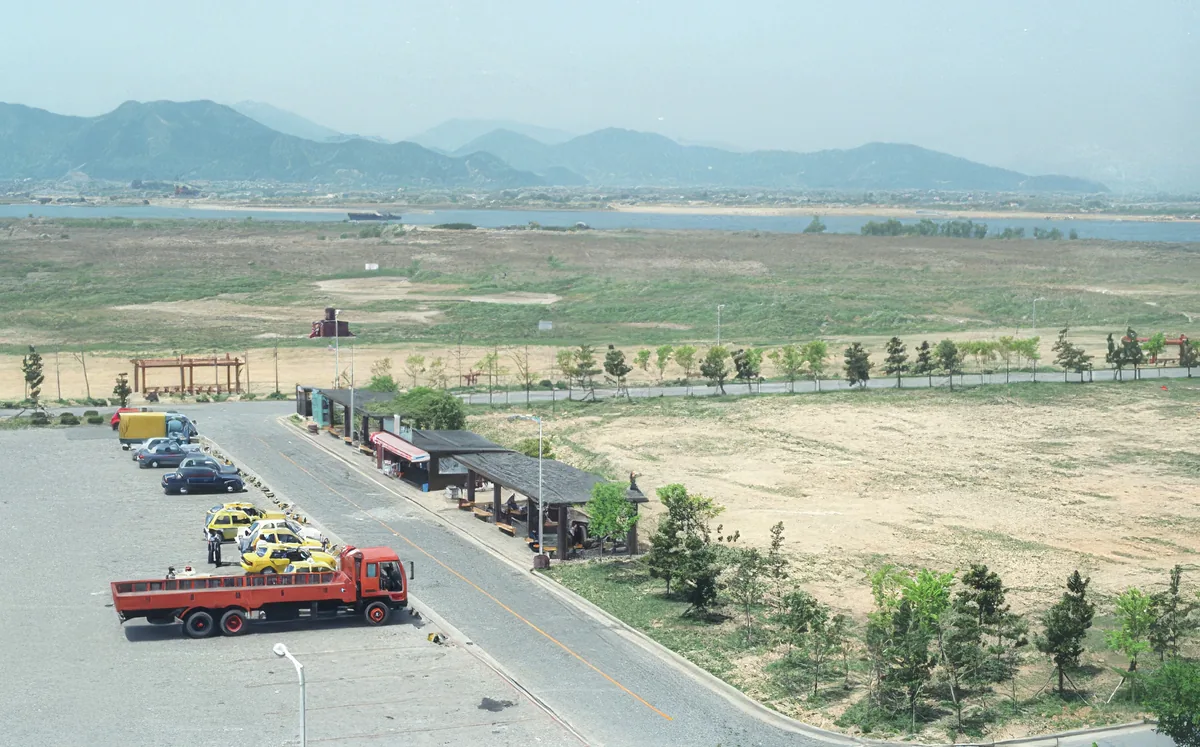
1990sEulsukdo
1990sCar park on Eulsukdo
Upper Eulsukdo (Part of Eulsukdo–Maekdo Park, comprising northern Eulsukdo and Maekdo)
0.45㎢
Major Facilities: Ecological lake, wooden decks, Eulsukdo sports facilities, parks, Eulsukdo Cultural Center, Nakdonggang River Cultural Center, Busan Museum of Contemporary Art, observatory, observation platforms, etc.
Opening Hours: 08:00–19:00 year-round
Lower Eulsukdo (Nakdong Estuary Park)
2.72㎢
Major Facilities: Picnic square, brackish wetland, freshwater wetland, trails, birdwatching observatory, Nakdong Estuary Eco Center, Busan Wildlife Treatment Center, Nakdong Estuary Experience Center, etc.
Opening Hours: 08:00–19:00 year-round * Access is restricted in certain areas.
Aerial viewElsukdo-Maekdo Park(northern part) & *Nakdong Estuary Park (southern part)
Ecology
Eulsukdo Ecosystem
Designated Natural Monument No. 179 in 1966 and admitted to the East Asian–Australasian Flyway Network in 2009. It is now a candidate for Korea's first National Urban Park.
Birds
0species
20,431 individuals in the Nakdong Estuary Park; 57 species and 1,448 in Eulsukdo·Maekdo Park
Amphibians and reptiles
0species
The boreal digging frog and rat snake are Endangered Class II; the red-eared slider is invasive
곤충
0species
Beetles 29.2%, true bugs 17.6%, bees 12.55%
Mammals
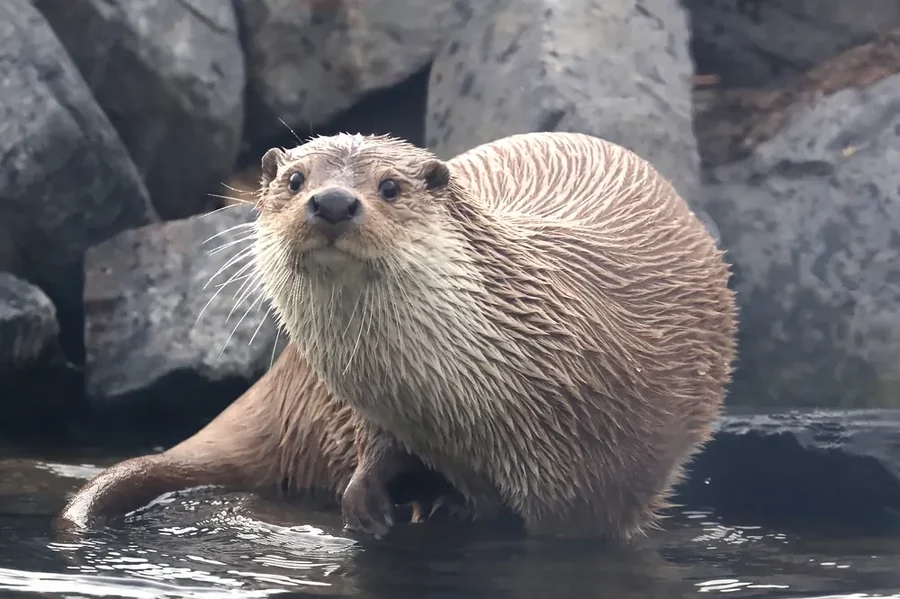
Otter
Endangered Class I and a Natural Monument, living along the rivers, wetlands and estuary edge
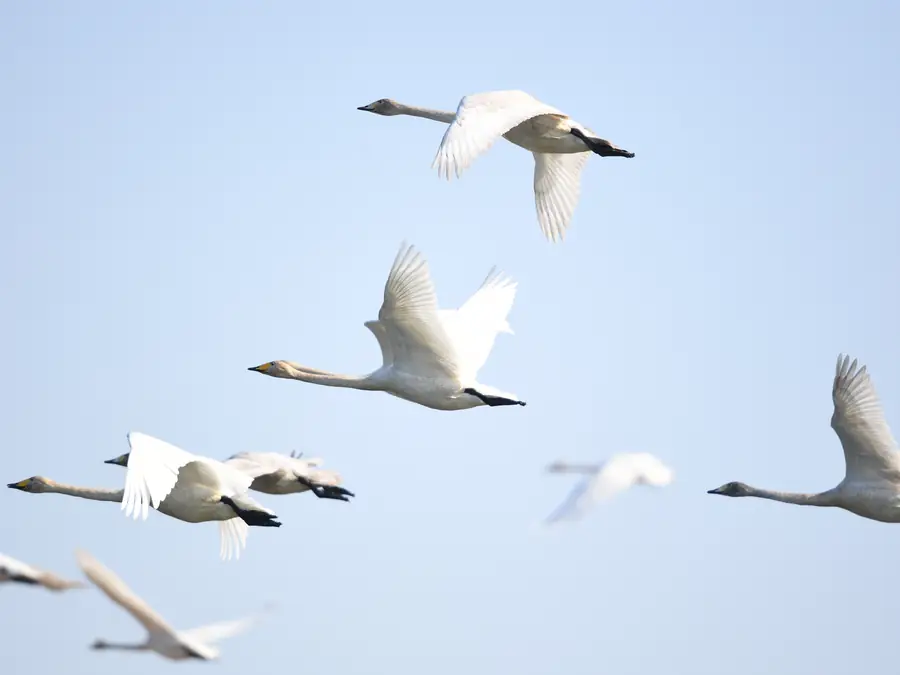
Swan
Cygnus sp.
A large migratory bird that visits Korea in winter and mainly feeds on aquatic plants in estuaries, wetlands, and lakes.
Winter migrant
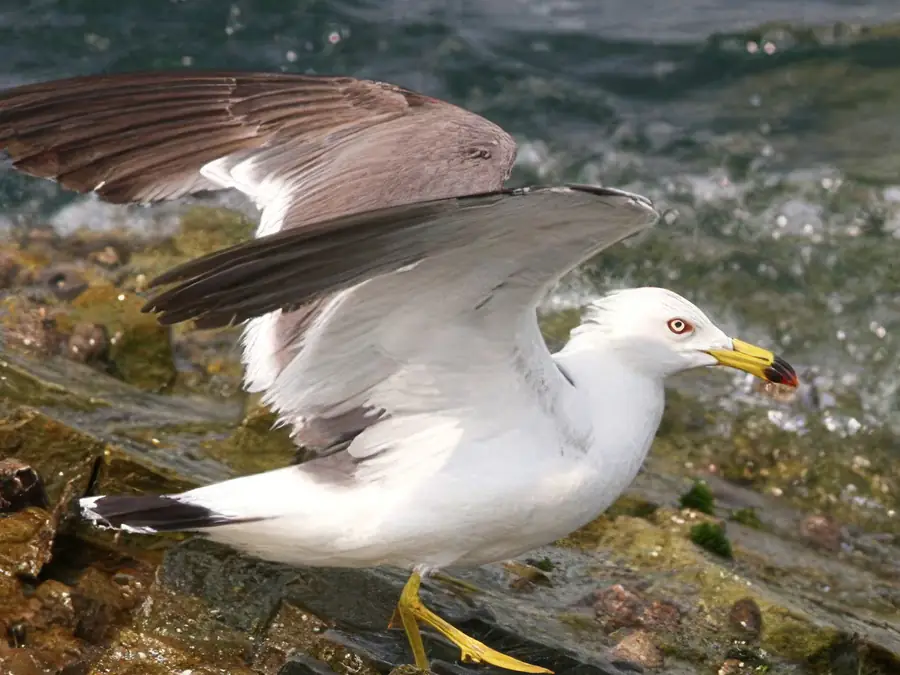
Black-tailed gull
Larus crassirostris
Feeds on fish and crustaceans and lives along coasts and estuaries.
Most recorded
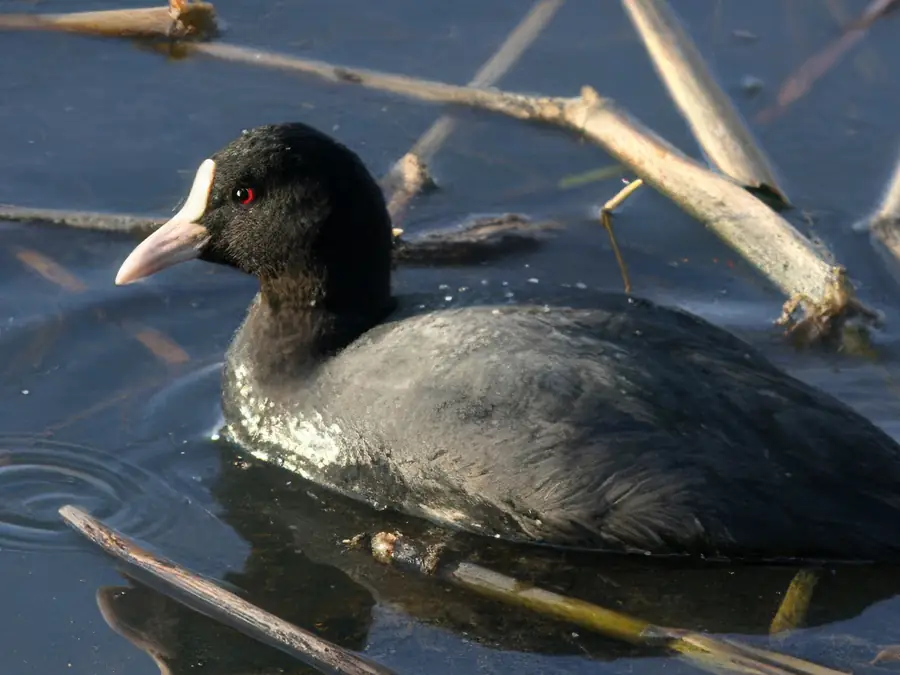
Eurasian coot
Fulica atra
A waterbird that lives around waters with abundant aquatic plants.
Most recorded
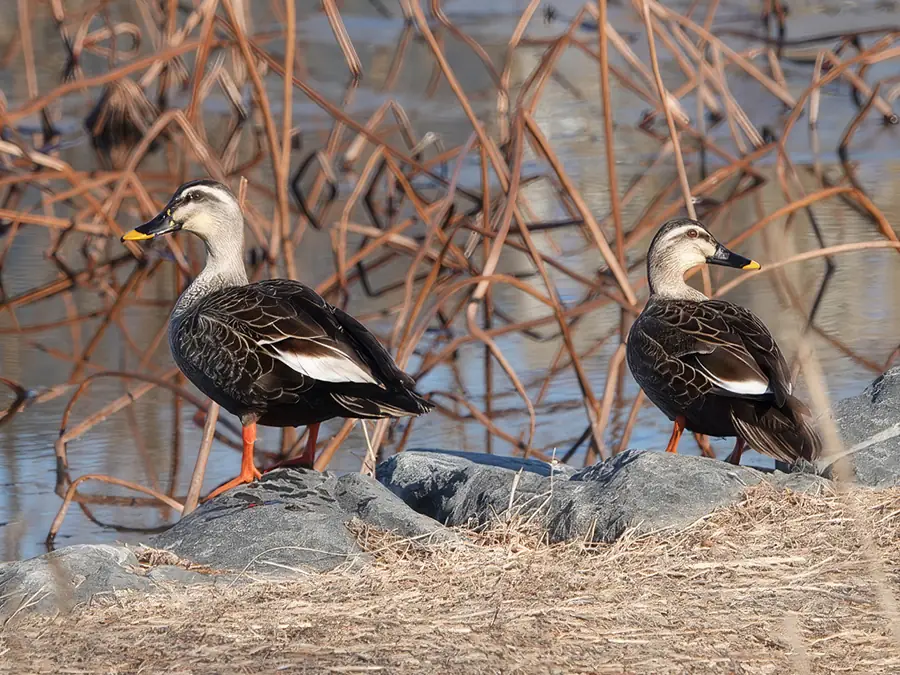
Spot-billed duck
Anas poecilorhyncha
A duck found year-round in rivers, wetlands, and other aquatic habitats.
resident bird
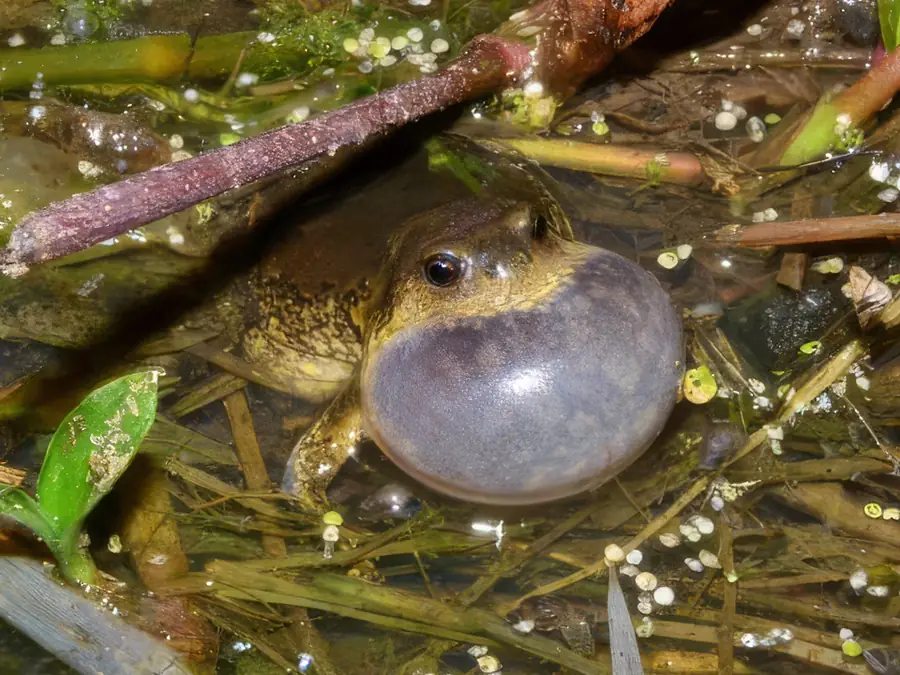
Boreal digging frog
Kaloula borealis
An amphibian that mainly breeds in shallow wetlands and was the most commonly observed among the 17 amphibian and reptile species recorded.
Endangered II
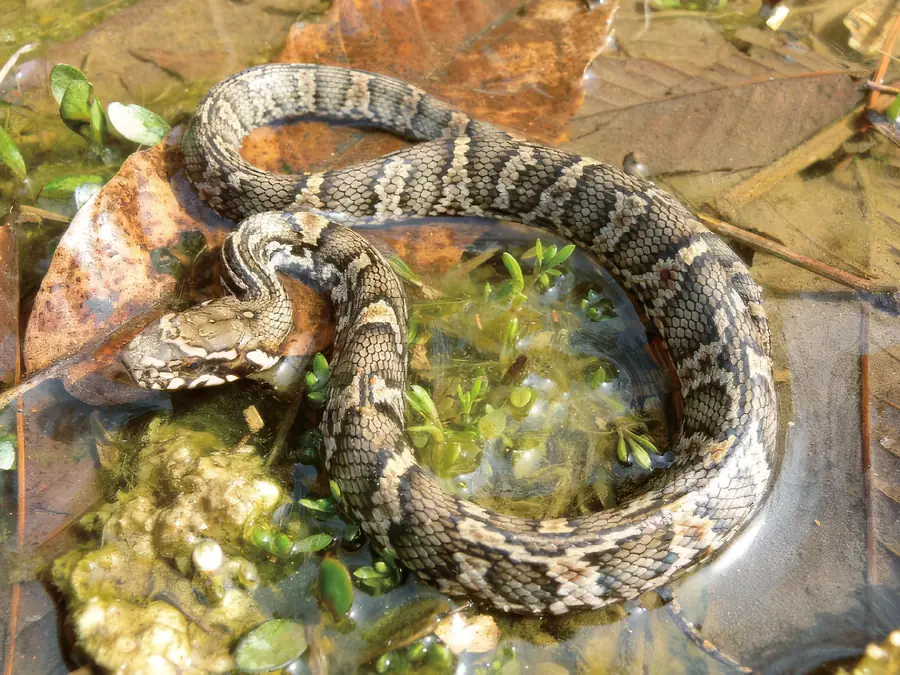
Rat snake
Elaphe schrenckii
A snake that feeds on small mammals and amphibians and lives around watersides and wetland edges.
Endangered II
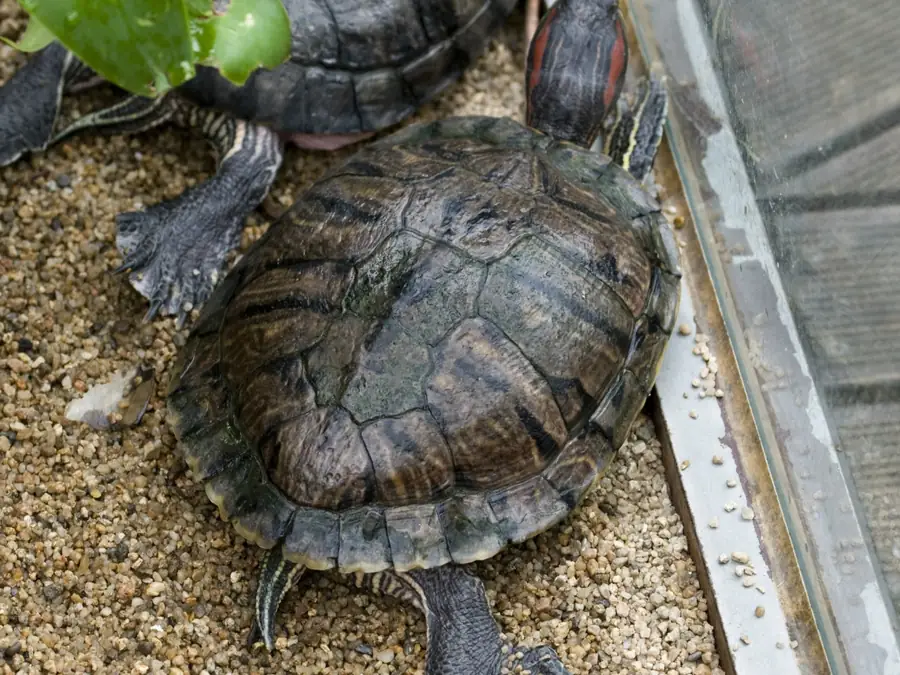
Red-eared slider
Trachemys scripta elegans
An invasive species that threatens native turtles by competing for habitat and food.
Invasive alien species
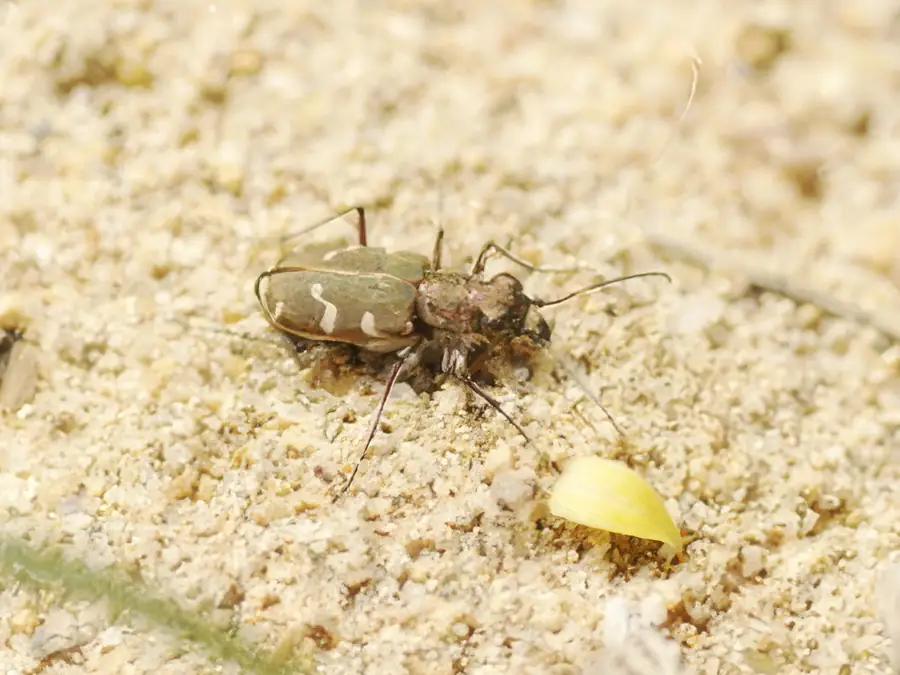
Tiger beetle
Cicindelidae
A predatory beetle that feeds on small insects.
Beetles 29.2%
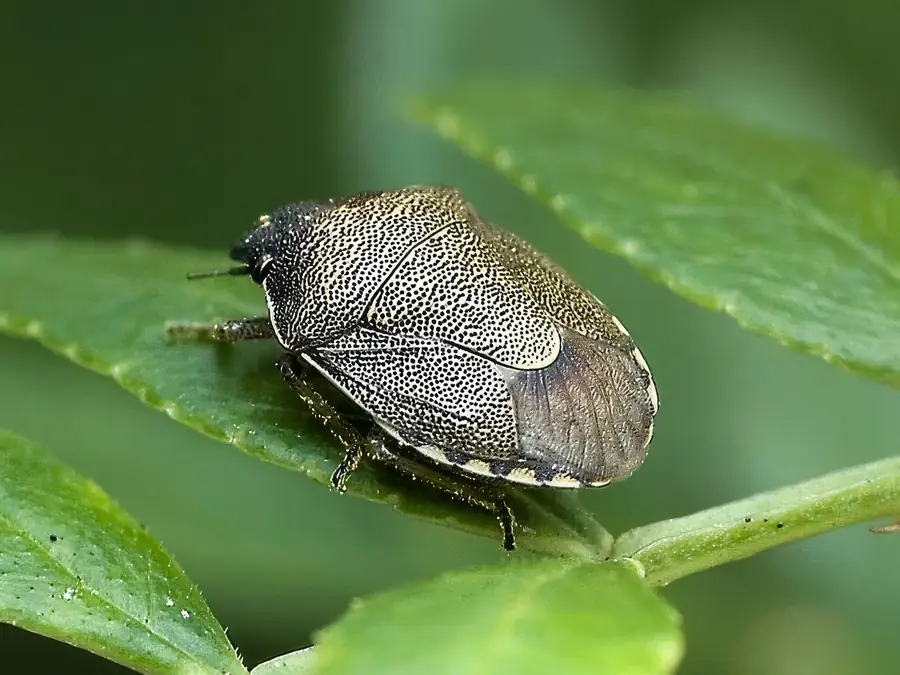
Shield bug
Pentatomidae
A true bug that lives around grasslands and wetlands and feeds on plant sap.
True bugs 17.6%
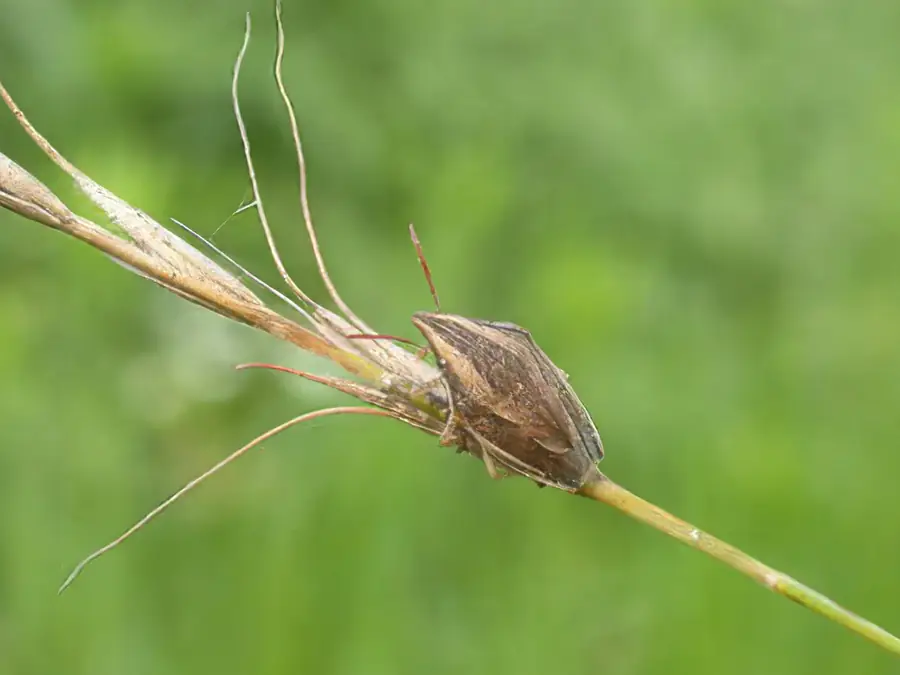
Shield bug
plebejus Distant
A small true bug that lives closely associated with plants.
True bugs 17.6%
Otter
Lutra lutra
A semi-aquatic mammal that lives in clean, food-rich rivers, wetlands, and estuaries.
Endangered I / Natural Monument
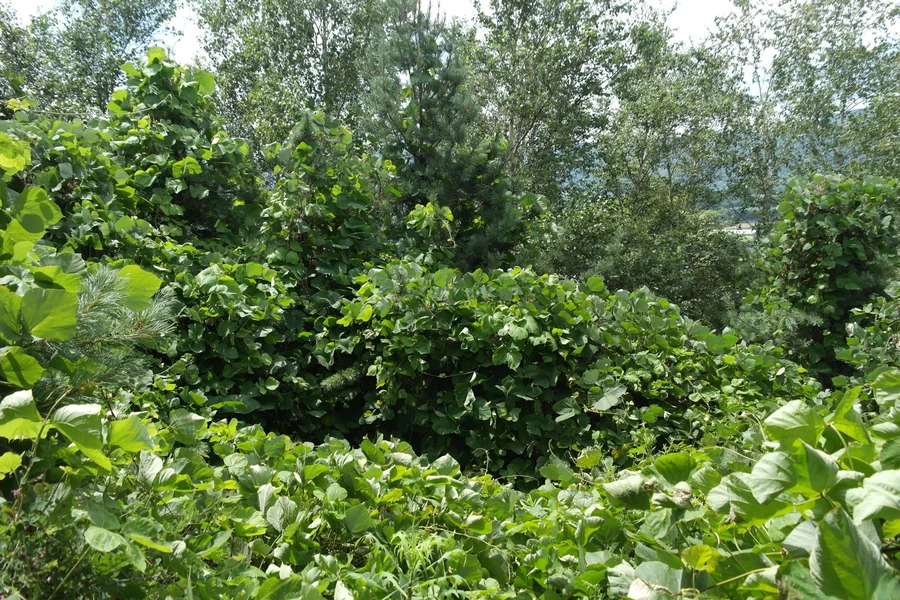
Kudzu
Pueraria montana
A fast-growing climbing plant that can cover other plants and significantly alter vegetation.
Dominant species / Ecological disturbance
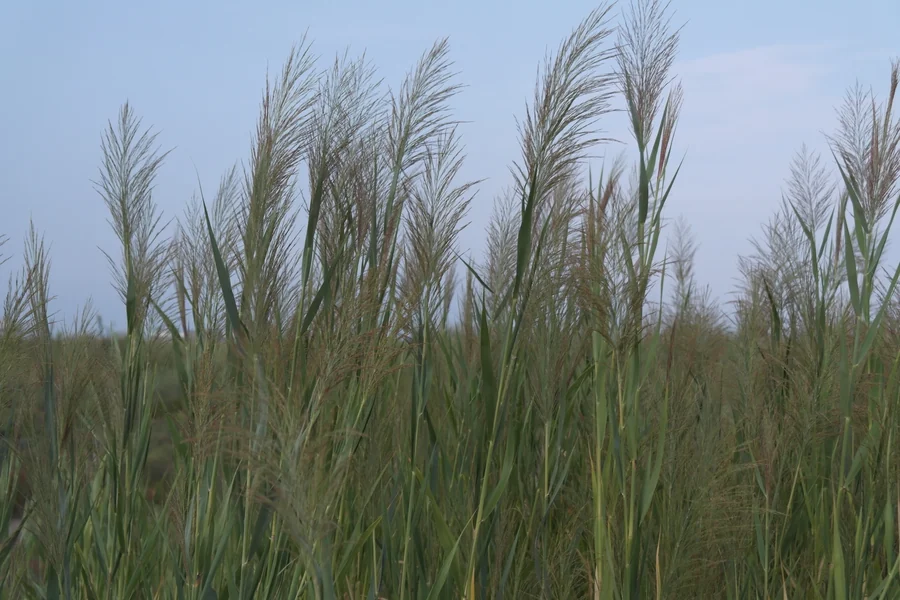
Reed
Phragmites australis
A perennial plant that forms dense stands along the water’s edge and provides shelter and habitat for many species.
perennial grass
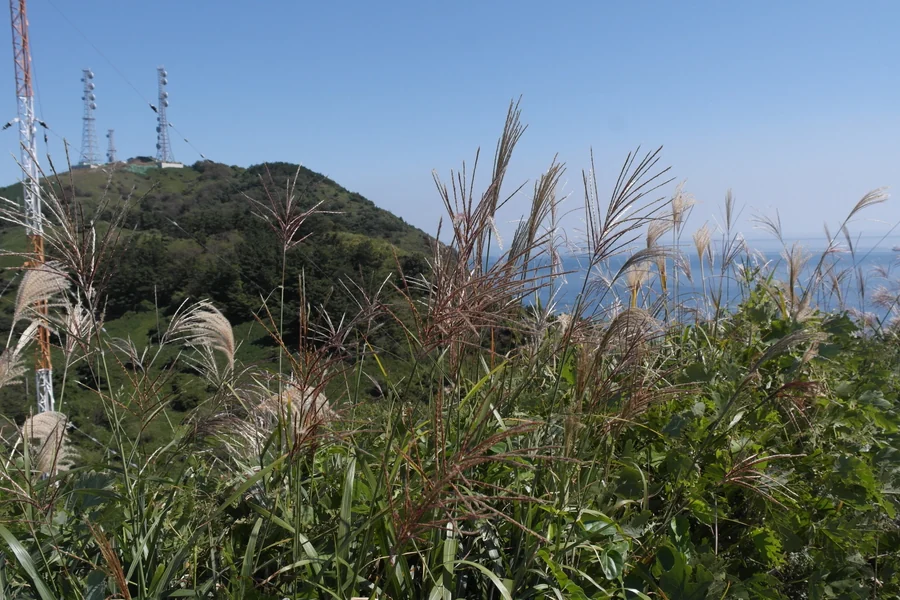
Silver grass
Miscanthus sinensis
A perennial grass that grows in relatively dry ground and, unlike reeds, mainly grows in terrestrial environments.
perennial grass
Trees
Yoshino cherry, black pine, oak, distylium, metasequoia, camellia, fringe tree, ilex and zelkova.
Shrubs
Japanese holly, sasanqua camellia, pittosporum, rhaphiolepis, abelia and firethorn.
Herbs & vines
Kudzu and other vines dominate the site, with reeds and silver grass spreading in places.
Migratory season and the working window
From November through February of the following year, migratory birds arrive in large numbers, so on-site construction and artwork installation are not permitted.